
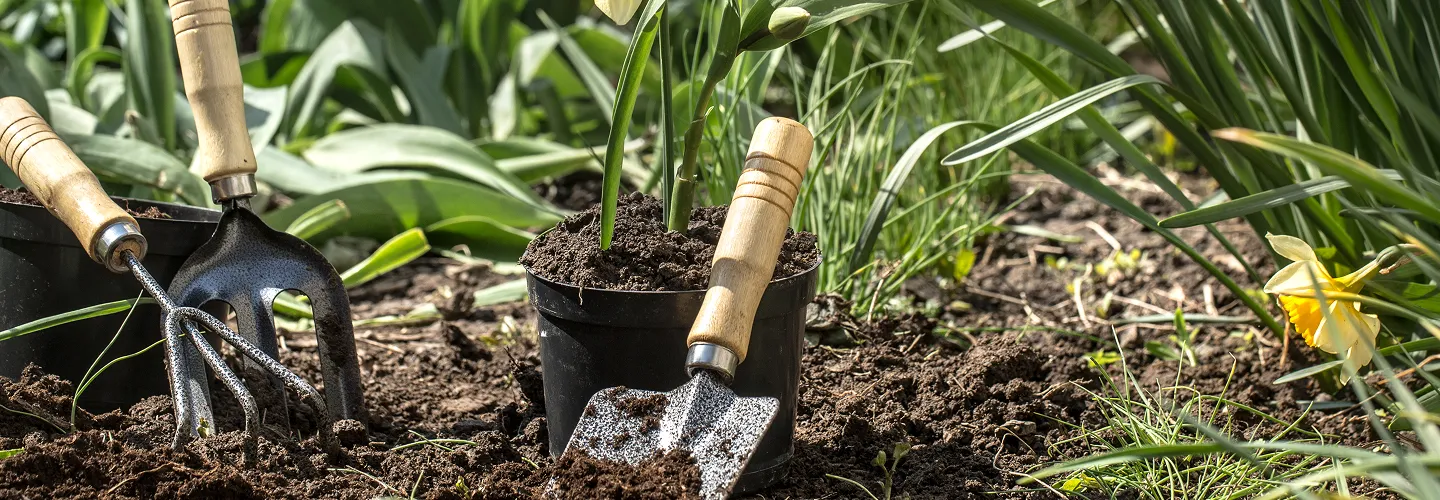
North Providence Pruning Services
Choose our professional pruning services to enhance your landscape’s beauty, promote healthy growth, and ensure the safety of your property with skilled, reliable care.
Get a Free QuoteOur North Providence Landscaping & Yard Care Services
When to Schedule Pruning in North Providence, Rhode Island – Seasonal Guide
In North Providence, Rhode Island, the best time to schedule pruning depends on our unique climate and the specific needs of your landscape. Typically, late winter to early spring—before new growth begins—is ideal for most trees and shrubs, as this timing helps minimize stress and encourages healthy regrowth. However, with our region’s variable weather, including late frosts and humid summers, it’s important to consider the microclimates found in neighborhoods like Fruit Hill or near Governor Notte Park. These areas may experience different shade patterns and soil moisture levels, which can affect the timing and frequency of pruning.
Local environmental factors such as the risk of late spring frosts, periods of summer drought, and the prevalence of clay-heavy soils in certain parts of North Providence all play a role in determining the optimal pruning schedule. Homeowners should also be aware of municipal guidelines and seasonal restrictions, which can be found on the town’s official website, to ensure compliance and protect the health of their trees and shrubs.
Local Factors to Consider for Pruning in North Providence
- Tree density and proximity to structures or power lines
- Terrain variations, especially in hilly neighborhoods
- Average precipitation and risk of summer drought
- Shade coverage from mature trees in areas like Centredale
- Soil type, including clay and loam common to the region
- Municipal restrictions and seasonal guidelines
Benefits of Pruning in North Providence
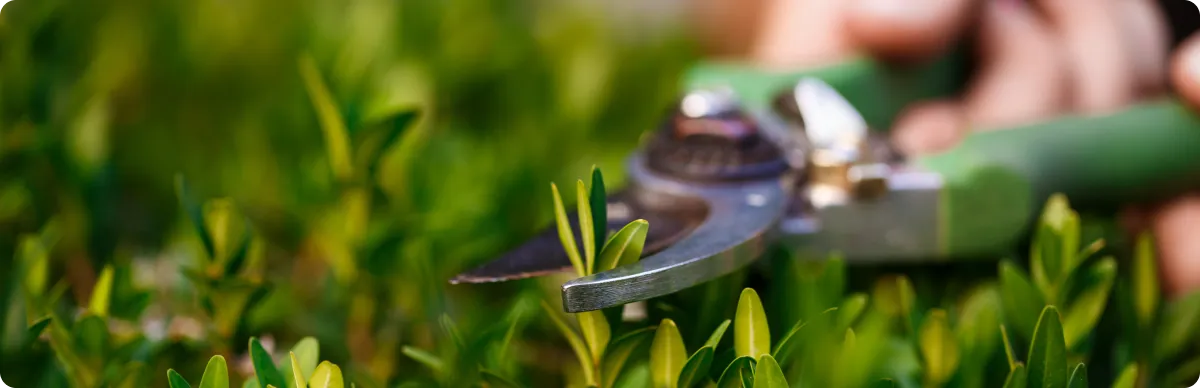
Enhanced Curb Appeal
Healthier Plants and Trees
Improved Sunlight Penetration
Reduced Risk of Disease
Professional and Reliable Service
Increased Property Value
North Providence Pruning Types

Crown Thinning
-
Crown Raising
-
Crown Reduction
-
Deadwooding
-
Formative Pruning
-
Pollarding
-
Vista Pruning
Our Pruning Process
Site Evaluation
Plant Selection
Targeted Pruning
Debris Removal
Final Inspection
Why Choose North Providence Landscape Services
-
North Providence Homeowners Trust Us
-
Expert Lawn Maintenance
-
Reliable Seasonal Cleanups
-
Efficient Snow Removal
-
Competitive Pricing
-
Professional and Courteous Team
-
Satisfaction Guarantee
Pruning Regulations and Permit Requirements in North Providence
Pruning activities in North Providence are governed by specific municipal ordinances to ensure public safety, tree health, and neighborhood aesthetics. The town requires permits for pruning any public trees or for significant work on trees over 6 inches in diameter at breast height (DBH) located within 50 feet of wetlands or public rights-of-way. Permit applications must be submitted to the Department of Public Works, with a standard review period of 10 business days and an application fee of $50. Equipment operation is restricted to the following hours:
- Monday-Friday: 7:00 AM - 7:00 PM
- Saturday: 8:00 AM - 6:00 PM
- Sunday and holidays: Prohibited All pruning debris must be disposed of according to the town’s yard waste collection program. For detailed permit procedures and ordinance compliance, contact:
North Providence RI Department of Public Works
2000 Smith Street, North Providence, RI 02911
Phone: (401) 233-1440
Official Website: North Providence RI Department of Public Works
Soil Series and Site Considerations for Pruning in North Providence
North Providence’s landscape is characterized by Inceptisols and Udults, with prevalent glacial till soils that are moderately acidic (pH 5.5-6.5) and often poorly drained, especially in low-lying areas. These conditions can lead to shallow root systems and increased susceptibility to windthrow or disease if improper pruning cuts are made. Before pruning, it is recommended to conduct a soil test through the University of Rhode Island Cooperative Extension (typical cost: $15-25) to assess pH and drainage. Best practices include:
- Avoiding heavy pruning during wet periods to prevent soil compaction
- Using sanitized, sharp tools to minimize disease entry
- Pruning to maintain canopy balance and reduce wind load For detailed soil mapping, consult the USDA Web Soil Survey.
Seasonal Timing and Weather Guidance for Pruning in North Providence’s Climate
North Providence is located in USDA Hardiness Zone 6b, with average last frost in late April and first frost in late October. Optimal pruning windows are:
- Deciduous trees: February 15 – April 1 (before bud break)
- Flowering shrubs: Immediately after bloom (late May – June)
- Avoid pruning during active growth (May–August) to reduce stress Monitor local weather forecasts through the National Weather Service Boston/Norton Office to avoid pruning during periods of heavy rain or high winds, which can increase the risk of limb failure and disease spread. For up-to-date climate data, refer to the USDA Plant Hardiness Zone Map.
Environmental Compliance: Wetland Buffers and Stormwater Protection in North Providence
Pruning near North Providence’s wetlands, streams, and conservation areas requires strict adherence to buffer regulations. The town enforces a 25-foot no-disturbance buffer from all designated wetlands, and all debris must be kept out of storm drains to comply with the Clean Water Act and the town’s MS4 permit. The Rhode Island Environmental Rights Act further mandates protection of water quality during landscape activities. Key compliance steps include:
- Maintain 25-foot buffer from wetlands
- Use biodegradable bags for debris collection
- Schedule yard waste pickup on Thursdays, April–November For environmental guidance, contact:
North Providence RI Environmental Commission
2000 Smith Street, North Providence, RI 02911
Phone: (401) 233-1440
Official Website: North Providence RI Environmental Commission
Safety Protocols and Equipment Standards for Pruning in North Providence
All pruning operations in North Providence must comply with municipal safety standards and noise ordinances. Operators are required to use:
- Eye protection: ANSI Z87.1 safety glasses
- Hearing protection: Earmuffs or plugs for 85+ dB noise
- Footwear: Steel-toed boots with non-slip soles
- Gloves: Cut-resistant for pruning Maintain a 15-foot clearance from overhead power lines and ensure all equipment is fitted with functional mufflers to keep noise below 85 decibels at property lines. Commercial operators must display visible company identification and follow traffic control protocols when working near public roads. For code enforcement and safety inquiries, contact:
North Providence RI Building Inspection Department
2000 Smith Street, North Providence, RI 02911
Phone: (401) 233-1419
Official Website: North Providence RI Building Inspection Department
What Neighborhoods Do We Serve Throughout North Providence, RI?
- Fruit Hill: Features mature tree canopies and older homes, requiring careful pruning to maintain historic character and manage dense shade. Soil compaction is common due to established landscapes.
- Marieville: Contains a mix of residential and commercial properties with moderate tree density. Proximity to wetlands necessitates strict buffer compliance and careful debris management.
- Centredale: Characterized by sloped lots and variable drainage, making safe equipment access and erosion control essential during pruning operations.
- Allendale: Newer developments with young trees and well-drained soils, but HOA guidelines may specify pruning standards and debris disposal methods.
- Greystone: Located near the Woonasquatucket River, this area requires heightened attention to stormwater protection and wetland buffer enforcement during pruning.
- Woodville: Features narrow streets and overhead utilities, demanding extra caution for equipment operation and adherence to municipal noise ordinances.
- Geneva: Dense residential area with small lot sizes, where access limitations and property line setbacks are key considerations for pruning work.