
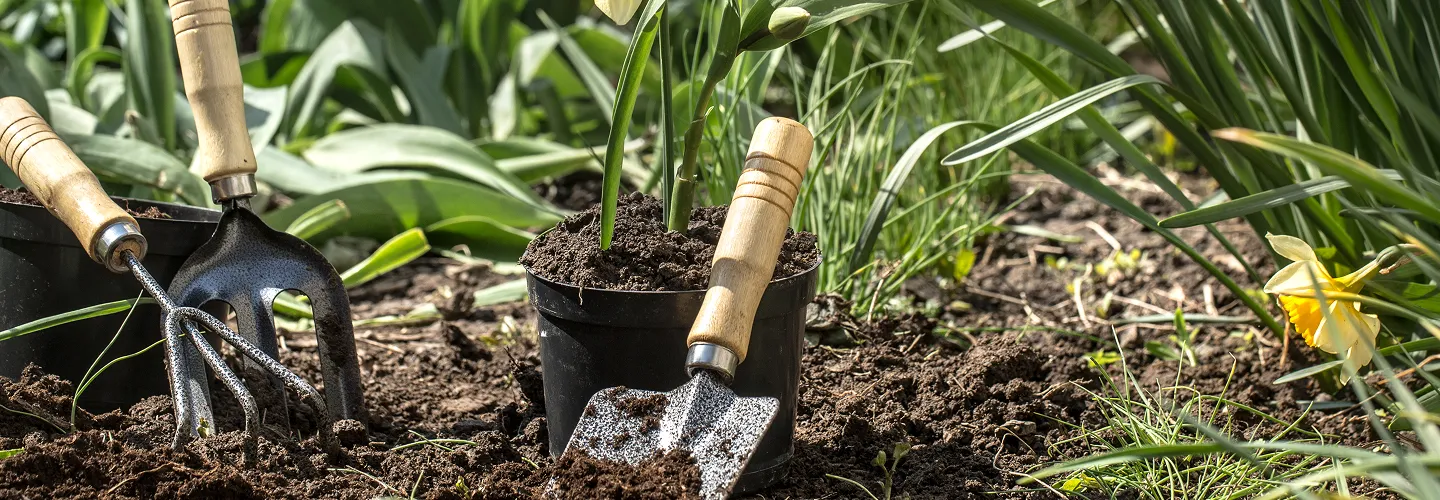
North Providence Lawn Grubs Control Services
Choose our expert Lawn Grubs Control for proven, eco-friendly solutions that restore your lawn’s health and prevent future infestations—ensuring a lush, green yard all season long.
Get a Free QuoteOur North Providence Landscaping & Yard Care Services
When to Schedule Lawn Grubs Control in North Providence, Rhode Island – Seasonal Guide
In North Providence, Rhode Island, the best time to schedule lawn grubs control is typically late summer through early fall, when grubs are most active near the soil surface. The region’s climate—with its humid summers, moderate rainfall, and distinct frost dates—means timing is crucial for effective treatment. Neighborhoods like Fruit Hill and Centredale, with their mix of shaded yards and open lawns, often see varying grub activity based on local microclimates and soil conditions.
Local environmental factors such as the risk of late-summer drought, the prevalence of clay or loamy soils, and the amount of shade from mature trees all play a role in determining the ideal treatment window. For example, properties near Governor Notte Park or along Mineral Spring Avenue may experience different grub pressures due to differences in tree density and soil moisture. For more information on local environmental guidelines, visit the Sudbury municipal resource.
Local Factors to Consider for Lawn Grubs Control in North Providence
- Tree density and shade coverage, which affect soil moisture and grub habitat
- Soil type (clay, loam, or sandy soils) influencing grub movement and treatment effectiveness
- Seasonal precipitation patterns and risk of drought
- Proximity to landmarks like Governor Notte Park or Wenscott Reservoir
- Municipal restrictions or recommendations on pesticide use
- Terrain and drainage, especially in hilly or low-lying neighborhoods
Benefits of Lawn Grubs Control in North Providence
Effective Grub Elimination
Healthier, Greener Lawns
Prevention of Turf Damage
Eco-Friendly Treatment Options
Experienced Landscaping Professionals
Customized Lawn Care Solutions
North Providence Lawn Grubs Control Types

Preventative Grub Treatments
-
Curative Grub Control Applications
-
Organic Grub Management
-
Biological Grub Control
-
Seasonal Grub Monitoring
-
Soil Health Improvement
-
Integrated Pest Management for Grubs
Our Lawn Grubs Control Process
Inspection and Identification
Customized Treatment Plan
Targeted Application
Monitoring and Follow-Up
Why Choose North Providence Landscape Services
-
North Providence Homeowners Trust Us
-
Expert Lawn Maintenance
-
Reliable Seasonal Cleanups
-
Efficient Snow Removal
-
Competitive Pricing
-
Professional and Courteous Team
-
Satisfaction Guarantee
North Providence’s Glacial Till Soils and Their Impact on Lawn Grub Management
North Providence lawns are predominantly established on glacial till soils, classified as Inceptisols and Udults according to the USDA Web Soil Survey. These soils are often rocky, moderately acidic (pH 5.5–6.5), and can exhibit poor drainage, especially in low-lying areas. Such conditions favor the development of turfgrass root systems that are susceptible to grub infestations, particularly from Japanese beetle and European chafer larvae. Effective grub control requires soil sampling to a depth of 3–4 inches to detect larvae presence. Soil amendments, such as lime application for pH below 6.0 and compost incorporation (2–3 inches tilled to 6-inch depth), are recommended to improve turf resilience. For soil testing and amendment guidance, consult University of Rhode Island Cooperative Extension.
North Providence RI Department of Public Works
2000 Smith Street, North Providence, RI 02911
Phone: (401) 233-1440
Official Website: North Providence RI Department of Public Works
Seasonal Timing and Weather Considerations for Grub Control in North Providence
The optimal window for lawn grub control in North Providence aligns with the local USDA Hardiness Zone 6b–7a and the region’s typical weather patterns. Preventive treatments should be applied between May 15 and July 15, when soil temperatures reach 55–65°F and grubs are in their early larval stages. Monitoring local forecasts from the National Weather Service Boston/Norton Office is essential to avoid applications before heavy rainfall, which can cause runoff and reduce product efficacy. Key timing guidelines include:
- Apply preventive insecticides mid-May to mid-July
- Soil temperature: 55–65°F (check with soil thermometer)
- Avoid applications during drought or saturated soil conditions
- Reassess in late August for possible curative treatments For additional timing and weather resources, refer to the USDA Plant Hardiness Zone Map.
Municipal Ordinances and Equipment Operation Standards for Grub Control in North Providence
Lawn care activities, including grub control, are subject to North Providence’s municipal ordinances regarding equipment operation and noise. Permitted hours for powered equipment are:
- Monday–Friday: 7:00 AM – 7:00 PM
- Saturday: 8:00 AM – 6:00 PM
- Sunday and holidays: Prohibited Operators must use commercial-grade spreaders and sprayers with properly calibrated nozzles to ensure even application and minimize drift. All personnel are required to wear ANSI Z87.1 safety glasses, hearing protection for noise above 85 dB, and chemical-resistant gloves when handling pesticides. For questions about compliance or to report violations, contact:
North Providence RI Department of Public Works
2000 Smith Street, North Providence, RI 02911
Phone: (401) 233-1440
Official Website: North Providence RI Department of Public Works
Environmental Compliance: Protecting North Providence’s Wetlands and Waterways During Grub Treatments
North Providence contains several sensitive areas, including wetlands and tributaries to the Woonasquatucket River. The Rhode Island Environmental Rights Act and the town’s MS4 stormwater permit prohibit the application of pesticides or fertilizers within 25 feet of wetlands and 50 feet of open water. To comply:
- Maintain a 25-foot no-application buffer from wetlands
- Do not apply products within 50 feet of streams or ponds
- Prevent clippings and granules from entering storm drains
- Use only EPA-registered products and follow label restrictions For further guidance, consult the Rhode Island Department of Environmental Management and EPA Region 1.
North Providence RI Environmental Commission
2000 Smith Street, North Providence, RI 02911
Phone: (401) 233-1440
Official Website: North Providence RI Environmental Commission
State and University Resources for Integrated Pest Management in North Providence
Rhode Island encourages integrated pest management (IPM) for lawn grub control, emphasizing reduced chemical use and environmental protection. The University of Rhode Island Cooperative Extension provides diagnostic services, soil testing (typically $15–25 per sample), and IPM recommendations tailored to North Providence’s conditions. Residents and professionals should:
- Submit soil and turf samples for pest identification
- Use biological controls (e.g., nematodes) where feasible
- Rotate chemical classes to prevent resistance
- Follow Rhode Island Department of Environmental Management pesticide regulations For additional information, review the Clean Water Act and state MS4 stormwater requirements.
What Neighborhoods Do We Serve Throughout North Providence, RI?
- Fruit Hill: Characterized by mature trees and older homes, Fruit Hill often experiences compacted soils and moderate drainage, increasing the risk of grub infestations in shaded lawns.
- Marieville: This area features smaller lots and higher building density, requiring careful application to avoid runoff into nearby storm drains and compliance with buffer requirements near wetlands.
- Centredale: With proximity to the Woonasquatucket River, Centredale properties must observe strict 25-foot wetland buffers and are subject to additional environmental oversight.
- Allendale: Known for its mix of residential and commercial properties, Allendale presents challenges with traffic and equipment access, necessitating adherence to municipal noise ordinances during treatment.
- Greystone: This neighborhood’s variable topography and occasional poor drainage demand soil testing and targeted amendments to support healthy turf and effective grub control.
- Woodville: Featuring newer developments and larger lots, Woodville lawns may have less compacted soils but require regular monitoring for early signs of grub activity.
- Geneva: Close to conservation areas, Geneva properties must comply with all local and state environmental regulations, including pesticide application setbacks and stormwater management protocols.